



From concept to CE marking: the story behind ROBOTiS
Strasbourg, October 7, 2026
ROBOTiS is a high-fidelity robotic surgery simulator built around an innovative approach: offering a compact and accessible solution designed to democratize robotic surgery training.
More than just a simulation device, it is the result of years of ideas, iterations, technical challenges and, above all, collaboration between experts in high-fidelity simulation software, industrial design and the medical field.
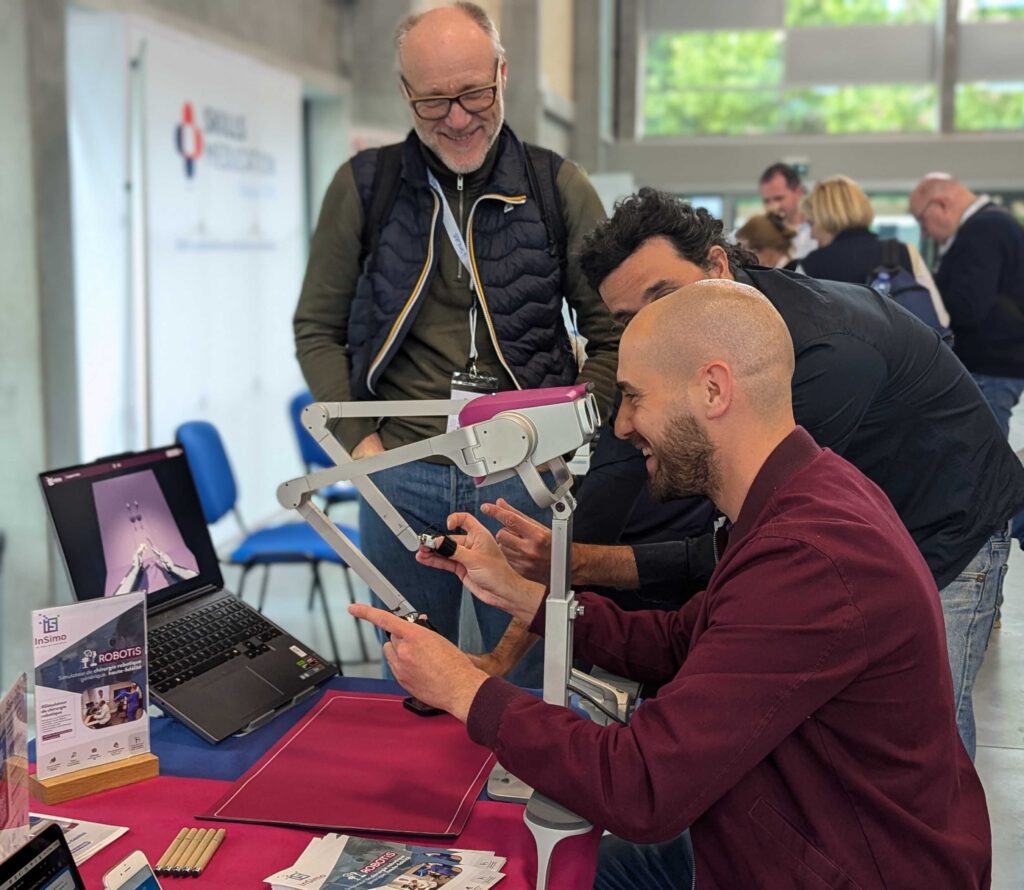
Discover the story behind ROBOTiS, and more specifically the people, collaboration and work that helped turn a concept into a high-performance surgical training simulator sold worldwide, now bearing the CE marking.
A little history
A few years ago, InSimo began developing simulation software for robotic surgery and surgical suturing as part of the European DISSEcT surgical robotics project. The research and development work was carried out in collaboration with Inria (French National Institute for Research in Digital Science and Technology) and IRCAD (Research Institute against Digestive Cancer).
Building on the quality of the results achieved, InSimo decided to take these initial developments further and create its own robotic surgery simulator, with a clear ambition: to offer a different approach to this highly specialized field by making high-fidelity robotic surgery simulators more accessible, compact, and designed for broader use.
The goal: to support the development of robotic surgery worldwide and enable more and more healthcare professionals to train on these technologies of the future, which are increasingly being adopted and widely recognized.
For InSimo, this meant designing a generic, universal and accessible solution, capable of adapting to the diverse applications of robotic surgery. The idea of a portable simulator quickly emerged, making the design of a dedicated hardware console a key challenge in bringing this vision to life.
And that is how the ROBOTiS project was born.
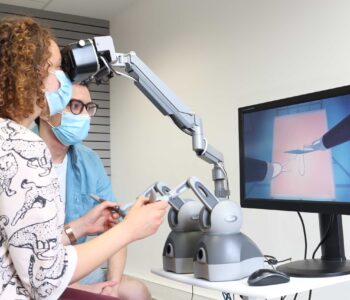
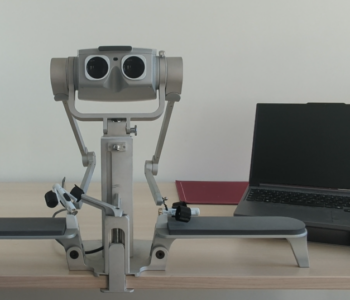
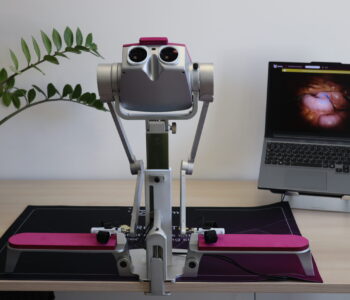
Since then, the simulator has evolved significantly before reaching the level of realism and high fidelity we know today. In particular, the simulator’s hardware components have undergone major development: essential to delivering a simulation experience that matches the realism and performance of the technology developed by InSimo.
At the heart of the InSimo & BBZ industrial collaboration

For several years now, we have been working closely with the Italian company BBZ, which provides tailor-made solutions for training and development in robotic surgery, and supplies the hardware components for the ROBOTiS simulator.
Our contacts at BBZ, Davide Zerbato, Ph.D., Software Design, and Francesco Bovo, Hardware Design, look back on our collaboration:

Davide Zerbato Ph.D., Francesco Bovo: InSimo and BBZ first met around six years ago. At the time, BBZ had just developed its TELEO teleoperation console, while InSimo was already developing surgical simulation environments for training purposes. The collaboration took shape a few years later, at the end of 2023.
The synergy was promising from the very beginning: combining the high level of realism of InSimo’s simulations with the portability and ergonomics of BBZ’s hardware made it possible to create an innovative, state-of-the-art training system.
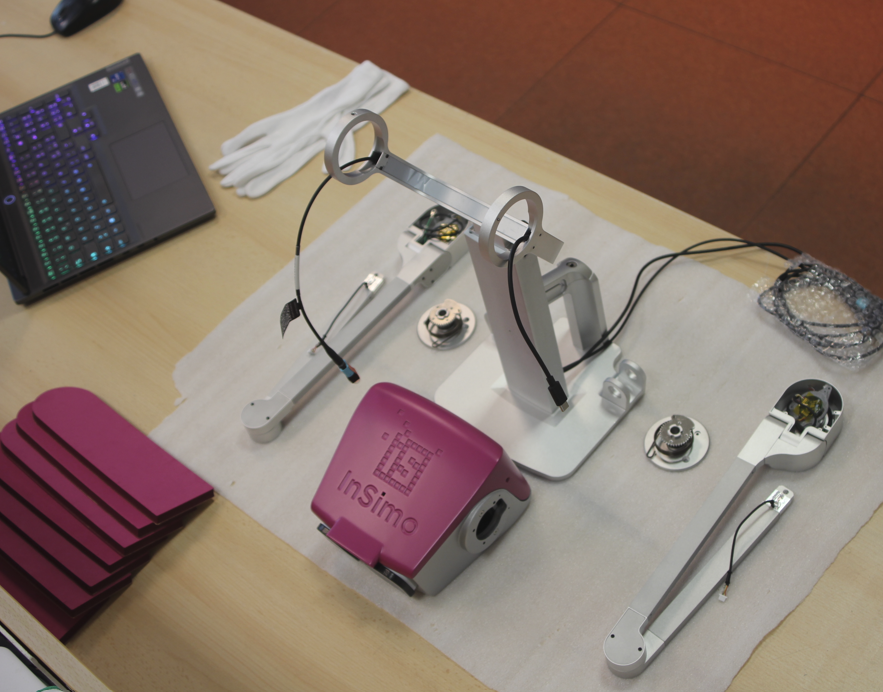
InSimo & BBZ bring complementary expertise to the project: BBZ has a stronger engineering focus, particularly in the design and control of medical robots and teleoperation consoles. InSimo, on the other hand, has extensive experience in both research and the implementation of real-time simulation algorithms. Both companies also share close partnerships and strong ties with hospitals and surgical training centers.
Davide Zerbato Ph.D., Francesco Bovo: Integrating the two products proved relatively simple and straightforward. However, as with any project worth its salt, fine-tuning the final details required some adjustments and a little time.
The biggest challenge was probably ensuring fast and reliable communication between the software and hardware, despite the different hardware and software configurations. During the collaboration, the control board integrated into TELEO was updated to incorporate better sensors and adapt to the discontinuation of certain components.
This change led to some communication issues with Windows 11, requiring numerous testing and debugging sessions between the InSimo team in Strasbourg and the BBZ team in Verona, as well as countless video calls and several code revisions. Ultimately, these challenges mainly demonstrated just how well the two teams can work together.
By joining forces, the two companies were able to create what is probably the most realistic portable training system currently available in terms of user experience. And, we are convinced, one of the most effective thanks to its high level of fidelity and the ability to set up a training environment in any room, without requiring a dedicated space.
Design at the service of the simulation experience
The design of ROBOTiS was first conceived to meet the requirements of surgical simulation and the needs of users, while addressing a key challenge: designing a compact, easily transportable solution that can adapt to different training environments.
The robotic console was therefore developed around several key constraints:
Ergonomics
Accessibility of controls
Positioning of the various components
Footprint
Portability
Ease of use
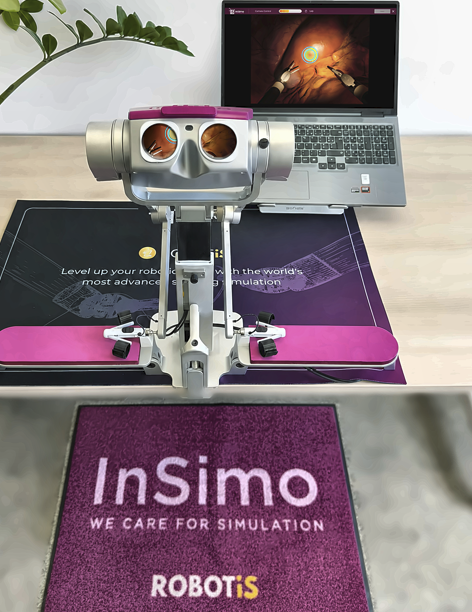
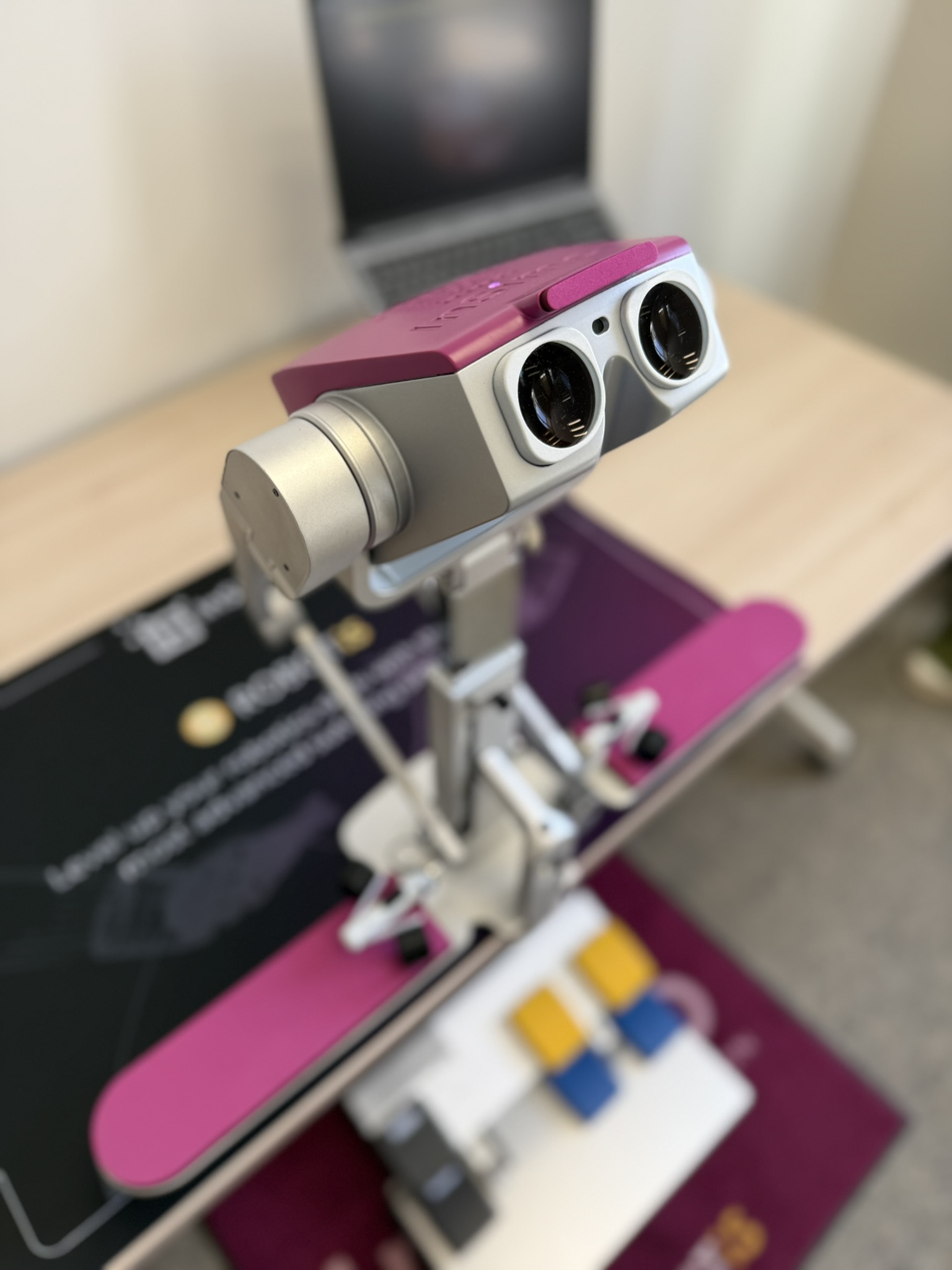
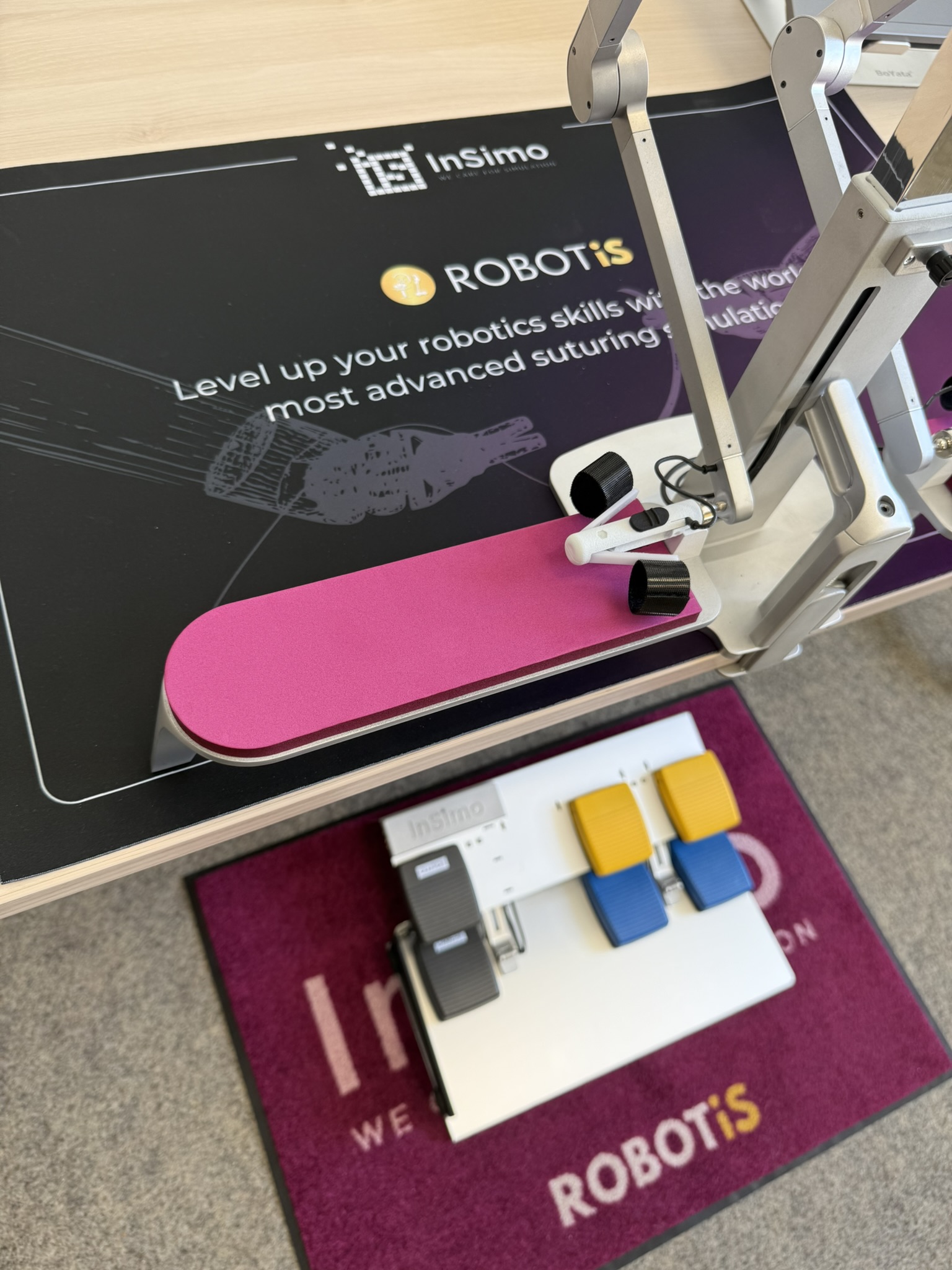
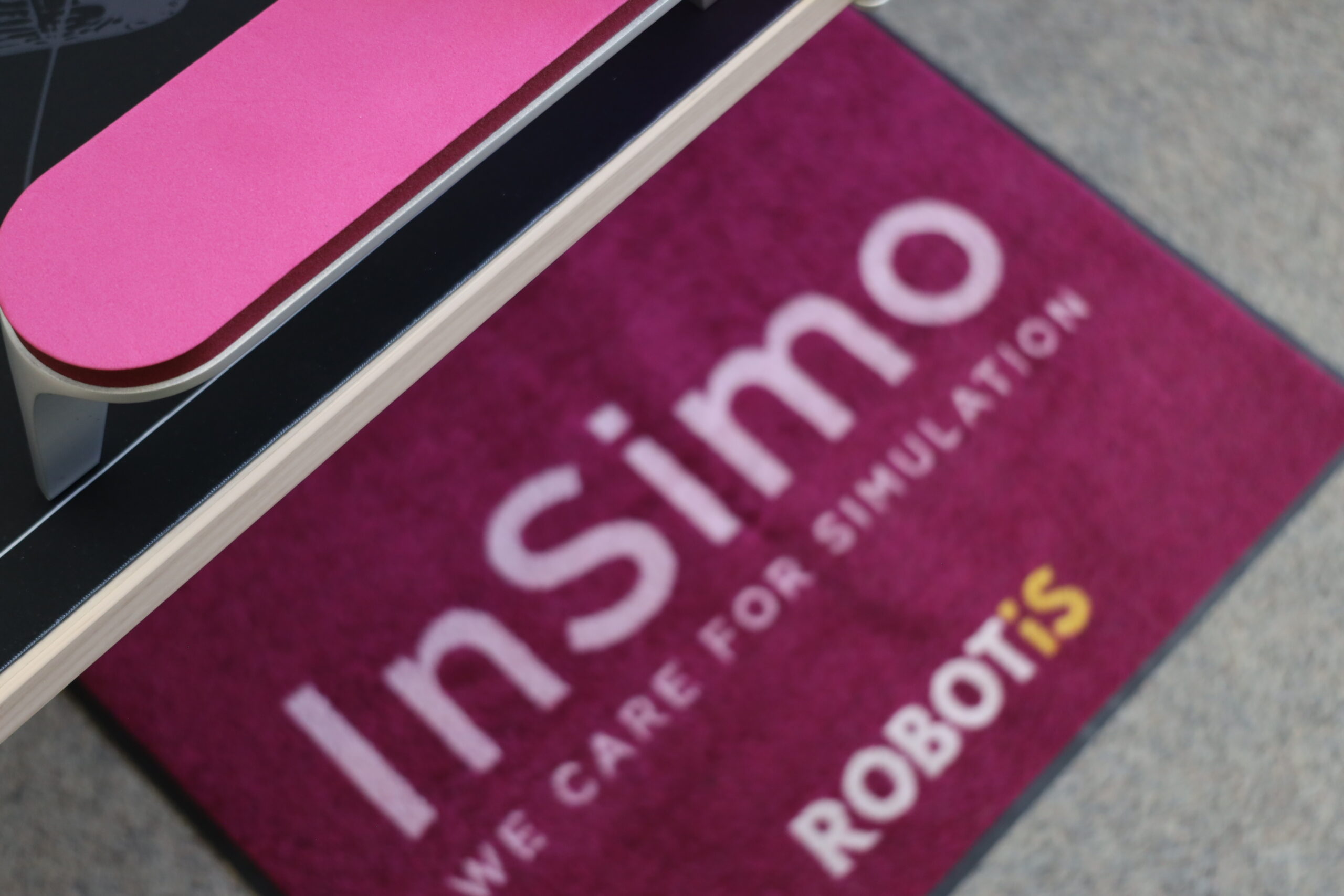
The InSimo and BBZ teams also worked closely together to create a strong visual identity that is uniquely associated with ROBOTiS.
The simulator features InSimo’s signature colors, including its iconic pink, used on the console and forearm supports. This choice immediately establishes ROBOTiS as part of the InSimo ecosystem, while adding a distinctive touch to a technical and industrial piece of equipment.
Davide Zerbato Ph.D., Software design, and Francesco Bovo, Hardware Design at BBZ, share an anecdote about the simulator’s pink design:
Davide Zerbato Ph.D., Francesco Bovo: As for the pink details… from the very beginning, BBZ offered the possibility of customizing the upper part of the console visor, and InSimo naturally chose its signature pink. Some time later, Pierre-Jean asked whether it would be possible to have matching armrest pads.
BBZ’s first reaction was: ‘But where on earth are we going to find EVA foam in exactly that color?’
So, at first, we said it wasn’t possible.
Eventually, we managed to find a supplier able to manufacture EVA foam in that exact shade. And since the minimum order quantity was quite substantial, Davide’s nine-month-old daughter will soon have her bedroom floor completely covered in InSimo pink EVA foam!
CE marking : a key Milestone for ROBOTiS in 2026

The CE marking of ROBOTiS, obtained in 2026, confirms its compliance with the European requirements applicable to its product category.
Obtaining CE marking involves identifying the requirements applicable to the product, assessing and managing risks, carrying out the necessary checks and tests, and compiling the documentation required to demonstrate compliance.
This milestone marks the transition from a project under development to a product ready for wider deployment across Europe. The ROBOTiS simulator has already been installed in France at the Medical Training Center in Rouen – the first French simulation center to choose ROBOTiS to develop its robotic surgery training programs – as well as in Morocco, Abu Dhabi and Italy.
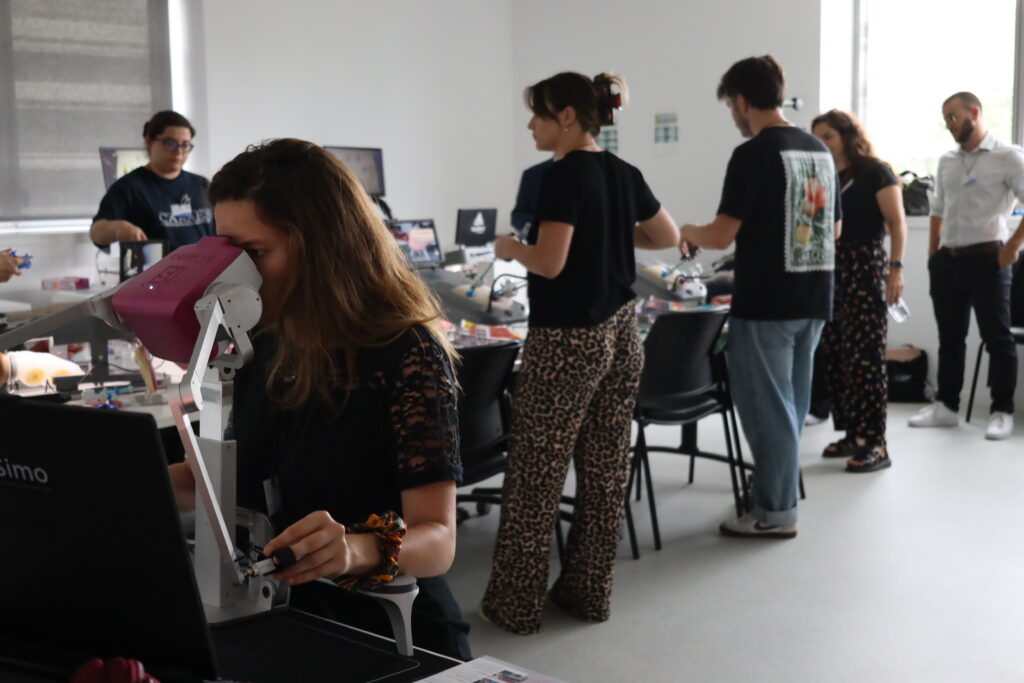
JARCA 2026 Event – MTC Rouen
Equip your training center with ROBOTiS
The ROBOTiS simulator delivers a realistic training experience through unparalleled thread modeling, accurately reproducing its dynamics for precise training in robotic surgery techniques.
Portable and modular, it adapts to all skill levels and helps improve the safety of robotic procedures.
Follow us!


